Source Adjustable Light Ankle Support for Sports, Recovery, and Daily Wear
Explore 30 listings for adjustable light ankle support designed for sports, recovery, and daily wear. Compare features like nylon and neoprene materials, strap configurations, and sizes to find the right fit for your sourcing needs; compare the available evidence and request quotations based on your requirements.
Key considerations
Products List


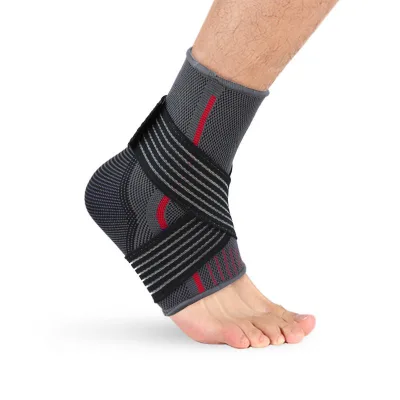


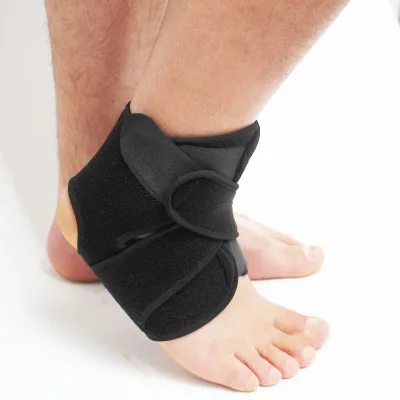


Comprehensive Sourcing Guide
Adjustable Light Ankle Support Sourcing Guide
Procuring adjustable light ankle support requires distinguishing between general compression sleeves and medical-grade stabilization devices. The observed market includes products labeled as "Ankle Protection with Straps" and "Anti-Rotation Foot Support," which utilize materials like nylon or neoprene combined with aluminum splints for fracture fixation. Buyers must verify if the specific unit is intended for yoga exercise or clinical fracture correction, as the structural requirements differ significantly between these use cases.
Selection criteria should prioritize the intended user demographic and the specific injury mechanism being addressed. Listings indicate availability for unisex users with sizes ranging from S to L or free size options, while some models feature reversible designs for right and left foot application. Understanding whether the product is a simple protective sleeve or a comprehensive external fixator is essential before initiating any bulk order, as the functional claims directly impact the required material composition and structural integrity.
Product Scope and Observed Listing Signals
The current market signals reveal a diverse range of product configurations, from simple color bag packaging to more robust carton and plastic bag combinations. Observed models such as HD-2241 and POR-AP-1 suggest variations in design intent, with some units weighing approximately 180g per piece while others are defined by specific packing dimensions like 151010cm. Buyers should carefully review the listed material composition, noting that some products combine nylon with plastic, while others utilize cotton and polyester blends or foam and wood for structural support.
Listing attributes often highlight customization availability, yet specific entries also note non-customized options, creating a potential point of confusion for procurement teams. The observed price range spans from 0.5 to 95 USD, reflecting the disparity between basic protective gear and specialized medical fixation devices. It is critical to cross-reference the product name and model number against the stated usage, ensuring that the "Adjustable Knitted Ankle Support" aligns with the actual mechanical properties required for the target application.
Technical Specifications to Verify
Technical verification must begin with the material composition, as the listed options include nylon, neoprene, aluminum splints, and wood. For applications requiring fracture fixation, the presence of aluminum splints or foam and wood components is a key differentiator from standard compression sleeves made of cotton and polyester. Buyers should confirm the specific model number, such as DNOR-F03 or HB-04, to ensure the product matches the intended structural load-bearing requirements and does not rely solely on elastic tension for stability.
Dimensional consistency is another critical specification, with observed standards ranging from size labels like S, M, L, XL to specific packing dimensions and unit weights. Some products are described with a standard of 150g, while others list dimensions like 101010cm, which may refer to the packaging rather than the device itself. Procurement teams must clarify whether the size standard refers to the garment fit or the physical dimensions of the support unit to prevent mismatches in inventory and ensure the product fits the intended anatomical range.
Compliance and Safety Documentation
Safety documentation is paramount when sourcing products that claim to provide fracture fixation or comprehensive protection. The observed listings include certifications such as FDA, ISOCE, CE, and ISO, which serve as indicators of regulatory compliance for medical or safety-related devices. However, buyers must verify that these certifications are current and applicable to the specific model being purchased, as the presence of a certification on one listing does not guarantee that every unit in a batch meets the same safety standards.
Regulatory compliance also extends to the origin of the product, with observed locations including Ningbo, Anhui, and Hebei in China. While these regions are known for manufacturing, the specific place of origin can influence the quality control processes and the validity of the provided certifications. Buyers should request valid certification documents for the specific batch to ensure that the product meets the necessary safety thresholds for its intended medical or athletic use, particularly when the product is marketed for fracture correction.
Cost Drivers and Commercial Terms
Cost drivers in this category are heavily influenced by the complexity of the materials and the level of customization required. Products utilizing aluminum splints or specialized neoprene blends typically command higher prices than those made from simple nylon or cotton-polyester blends. The observed MOQ range of 1 to 4000 units suggests flexibility for small buyers, but larger orders may benefit from economies of scale, provided the supplier can maintain consistent quality across the increased volume.
Commercial terms must account for the variability in packaging and shipping requirements, as observed packing methods range from color bags to cartons and plastic bags. The unit weight of approximately 180g per piece can impact shipping costs, especially for international orders where weight-based freight rates apply. Buyers should negotiate terms that clearly define who bears the cost of specialized packaging and ensure that the lead times align with the production complexity of the selected model, particularly for customized or medical-grade items.
Supplier Qualification and Quality Control
Supplier qualification should focus on their ability to provide consistent quality control for products with varying material compositions. The presence of OEM and ODM services indicates that some suppliers can adapt designs, but buyers must verify their capacity to maintain the structural integrity of medical-grade components like aluminum splints or foam supports. It is essential to confirm that the supplier has a track record of meeting the specific standards required for the product type, whether it is a simple ankle support or a complex external fixator.
Quality control protocols must address the potential for variation in product attributes, such as the difference between "New" condition items and those with specific usage claims like "Fracture Fixation." Buyers should implement a rigorous inspection process to verify that the received goods match the specified model numbers and material compositions. This includes checking for defects in the straps, splints, or knitted sections to ensure that the product performs as advertised and provides the necessary protection for the end user.
Long-Term Procurement Checks
Long-term procurement success depends on establishing a reliable supply chain that can consistently deliver products meeting the required technical and safety specifications. Buyers should monitor the supplier's ability to maintain certification validity and material consistency over time, as changes in sourcing or manufacturing processes can impact product performance. Regular audits of the production facility and quality control records are necessary to ensure that the supplier continues to meet the high standards required for medical and athletic support devices.
Continuous evaluation of market trends and product evolution is also crucial, as the landscape of ankle support technology may shift with new materials or design innovations. Buyers should stay informed about updates to relevant standards and certifications to ensure their procurement strategy remains compliant and competitive. By maintaining a proactive approach to supplier management and quality assurance, organizations can mitigate risks and ensure a steady supply of high-quality adjustable light ankle support for their needs.
FAQs
What materials are used in adjustable ankle supports?
Manufacturers typically use nylon, neoprene, or cotton-polyester blends for adjustable ankle supports. Some models incorporate aluminum splints or plastic components for enhanced stability. These materials provide a balance of flexibility and rigid support, ensuring durability during daily wear or athletic activities while maintaining comfort against the skin.
Can I customize the packaging for bulk orders?
Yes, customization is available for bulk orders. Suppliers offer options such as color bags, color boxes, or standard cartons. You can often specify branding or labeling requirements to meet your distribution needs. This flexibility allows businesses to tailor the product presentation to their specific market or retail channel requirements effectively.
What certifications do ankle support products have?
Many ankle supports carry FDA, ISO, CE, and ISOCE certifications. These credentials indicate compliance with international safety and quality standards. Buyers should verify specific documentation with suppliers to ensure the products meet regulatory requirements for their target markets, particularly for medical-grade or therapeutic use cases requiring strict adherence.
What sizes are available for ankle supports?
Standard sizes include Small, Medium, Large, and Extra Large. Some products offer a free size option for universal fit. Buyers should check specific model dimensions, such as 10x10x10cm or 15x10x10cm packaging, to ensure proper storage and shipping calculations. Sizing charts vary by manufacturer, so precise measurements are recommended.
Where are these ankle supports manufactured?
Production primarily occurs in China, with origins noted in Ningbo, Anhui, and Hebei regions. These locations are established hubs for textile and medical supply manufacturing. Buyers can leverage this geographic concentration to negotiate competitive pricing and efficient logistics. It is advisable to confirm the exact factory location for quality control and audit purposes.
What is the typical weight of an ankle support?
The unit weight is approximately 180 grams per piece for many models. Some specifications list a standard weight of 150 grams. This lightweight design ensures comfort during extended wear without adding bulk. Buyers should verify the exact weight for specific models to calculate shipping costs and ensure the product meets weight-sensitive requirements.